Neuralink: Elon Musk implants a microchip in the brain
Neuralink’s first human brain implant brings medical promise and concerns about privacy and control. What makes the idea both fascinating and unsettling?
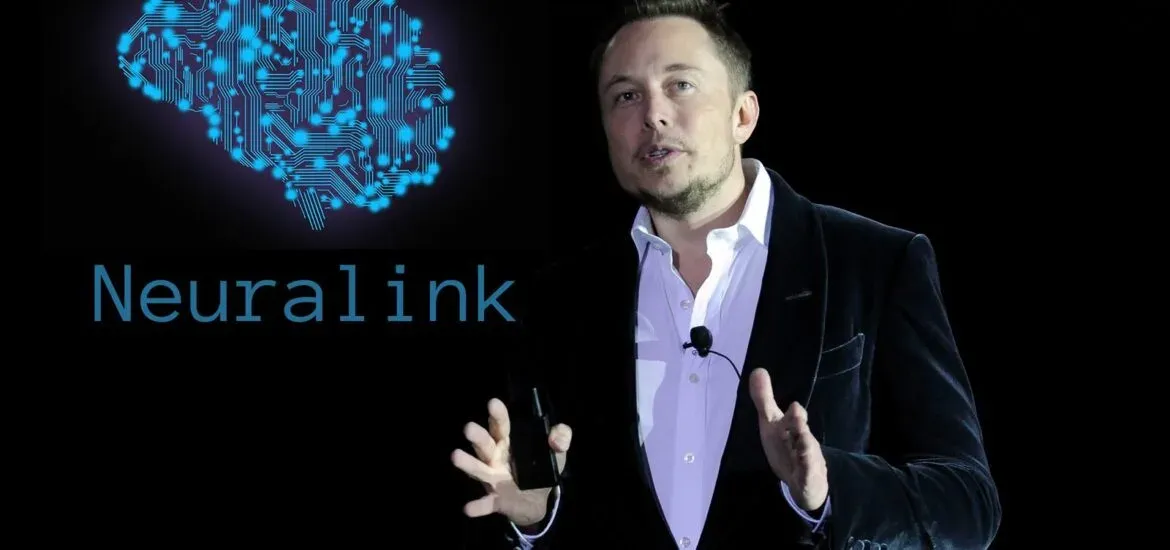
Before we start
The idea of a chip implanted in the brain is frightening enough. If it is installed by a private company led by someone as apparently unusual and unpredictable as Elon Musk, even more so.
What could someone do once they have access to our brain? Is controlling devices without our hands or voice really so necessary?
Risks
The first issue is certainly risk. Our understanding of the brain is not yet sufficient to make interventions almost risk-free. There is always the fear of affecting an area that could impair speech, memory or movement. There is a reason brain surgery is performed with patients awake when possible: immediate feedback helps detect damage. I cannot discuss the medical details, but this is undoubtedly the greatest risk.
Another concern remains even if we were certain the implant was completely safe: can we be sure whoever “controls” the chip could not use it for criminal or otherwise unlawful purposes? We would be granting access to what may be the most important part of ourselves. Can legislation provide enough guarantees? I think public opinion would never accept this risk, at least in current generations. Consider how COVID vaccines and contact-tracing apps such as Immuni were received.
Opportunities
Equally clearly, the technology opens an enormous range of possibilities. Neuralink’s initial trial involves a Brain Computer Interface (BCI). The name reveals its purpose: enabling patients with neurological conditions to interact with smartphones, tablets and computers directly through “thought”. That application alone could significantly improve lives and help people avoid isolation.
Looking further ahead, it could be a first step towards addressing some of these conditions. The limit is our knowledge of brain anatomy. Stimulating the right areas might restore some lost senses, or allow an external device to provide artificial “sight” or “hearing”.
Imagination, and above all ethics, may be the limits to the benefits this technology could unlock. Today’s science fiction may become tomorrow’s reality. Fifteen years ago, how many people would have believed they could ask a phone to write a formal message in an unfamiliar language from a brief outline? Or really expected to sit in a self-driving car?
Conclusion
It reminds me of the early discussions about GMOs and cloning: enormous possibilities, accompanied by fear that things might get out of control.
I believe this could be a valuable opportunity for progress, but society and governments must act early to establish oversight that protects people’s rights and safety.
Let us follow developments in Telepathy, the implant’s official name, with a highly critical mind, but without prejudice.