Blog

Articles

Notes and insights on technology, politics and society.

I tried lying to DFD's gates

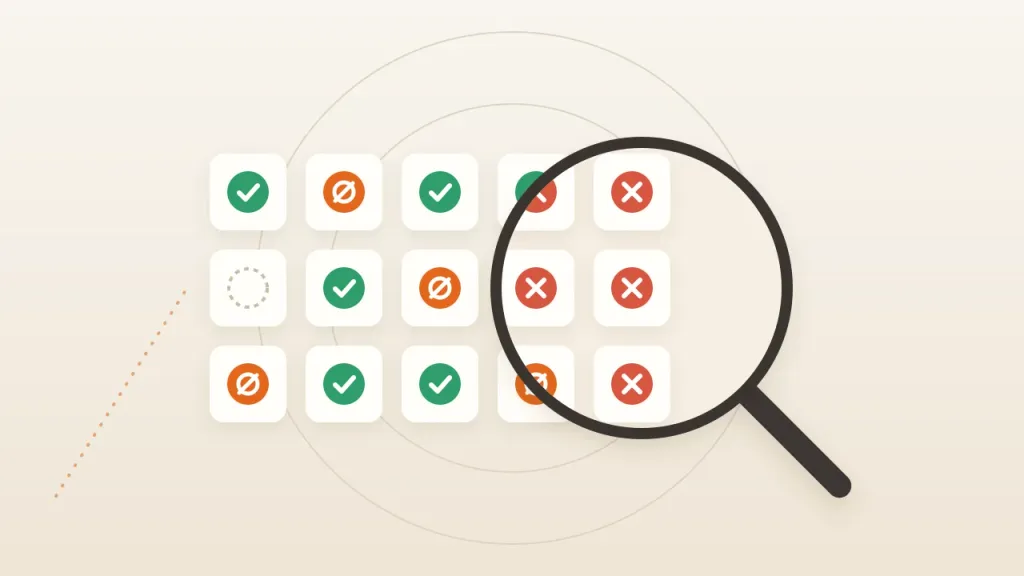
Two questions about DFD. How many fixes are needed after release? And if I lie to the process on purpose, do the gates notice? The CLI stops 4 lies out of 15. An agent re-reading the work without knowing what to look for finds almost all of them. That is also the weak spot: today that re-reading leaves no trace.
From external feedback to release: two DFD features in a production product

An external UX review led to two production features built with DFD and an agent. Honest gates, evidence on one machine, late requirements and a specification that found a bug before coding.

From legacy PHP to verifiable parity: a DFD migration case

A live PHP application, a Laravel replacement that must reach parity, and DFD led by Codex. Once again, the strongest signal came from a gate saying “done” when it was not.

Agent-written tests and mutation testing: an argument not yet proven

Two separate agents wrote tests and code, then faced mutation testing. Separating them did not prove the argument. The strongest signal was a CI pipeline that could not fail. More intensive testing is needed.

Shift-right on AWS: canaries by revision and tenant

Definition of Done criteria become release alarms. Revision canaries catch technical problems; tenant rollouts catch functional ones. Combining ECS and AppConfig.

The cost does not disappear, it moves: development in the age of agents

With agents, development cost moves from producing code to specifying and verifying it. What changes in the pipeline, in professional roles and in becoming a senior developer?

AI in public administration now has rules. It still needs a method

AI should free up human time in public administration, without requiring frontier models. The AI Act and Italian law handle the easy part; the method is still missing.

Parents’ mental load: the work nobody sees

Parenting is about remembering everything as well as doing it. Mental load is invisible work that never switches off. Even sharing it creates more coordination.

Aurora PostgreSQL authentication with AWS IAM

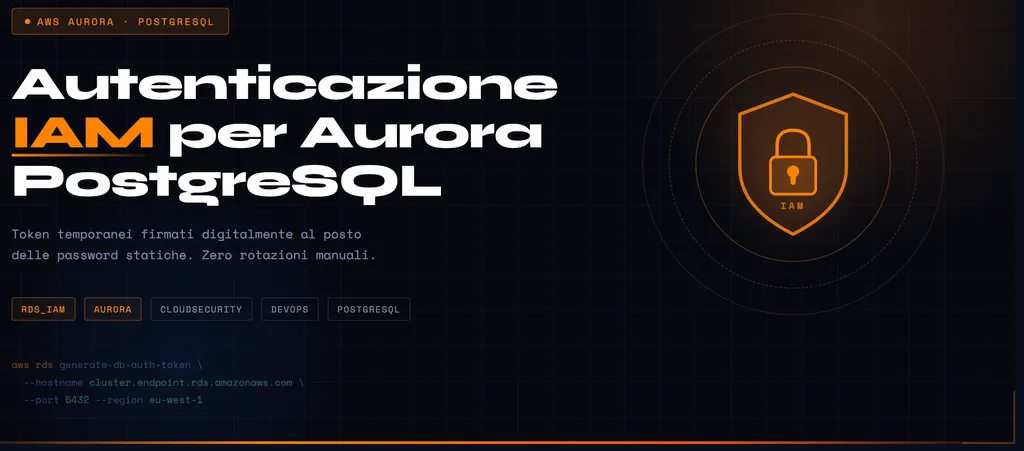
Replace static database passwords with short-lived IAM tokens: how AWS IAM authentication works for Aurora PostgreSQL and RDS, and why it removes a whole class of security risks.

Ivrea Carnival 2026: victories, the square and a reflection on judging

Ivrea Carnival 2026 brings victories to celebrate and questions about judging: what we can learn beyond the results in the squares.

DNS: the joy and pain of the internet

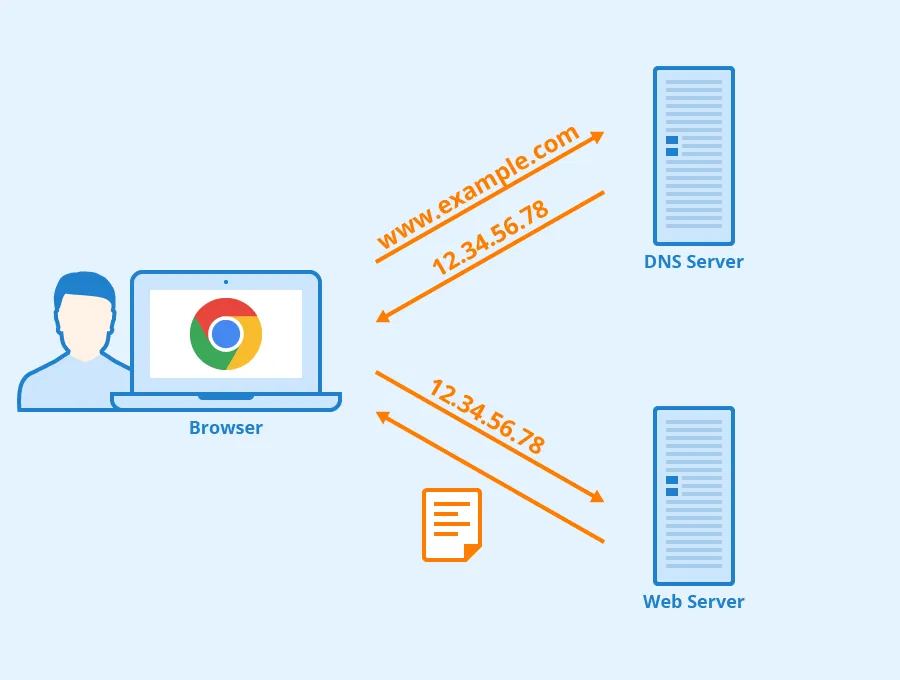
After AWS, Fastweb and Vodafone outages, an often invisible component takes centre stage: what DNS is, how it works and why its failure can stop half the internet.

Learning in the AI age: curious, lazy or empowered? With Fabio Gatto

The first episode of M Talk, with occupational psychologist and AI Literacy Trainer Fabio Gatto, explores how AI is changing learning and teaching.

5 reasons every DevOps engineer should use the Warp terminal

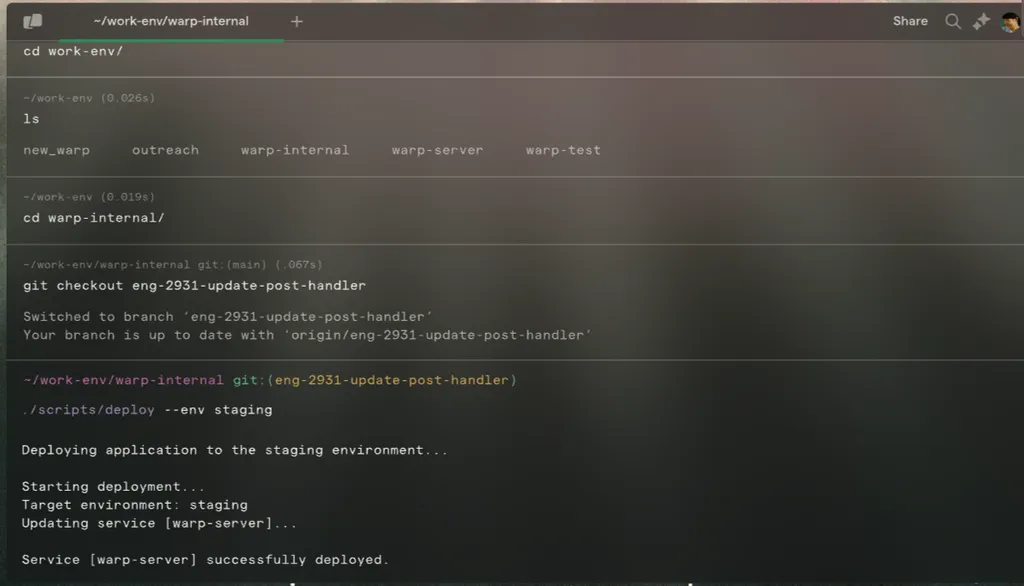
Warp is a modern terminal with shared workflows, automation and built-in AI. Five practical reasons it can change how DevOps engineers work.

10 reasons I recommend the free Arc browser

The first in a series of recommendations: why I use Arc, the free browser that rethinks browsing, and what makes it different.

The arrest of Pavel Durov, CEO of Telegram

Pavel Durov’s arrest has divided opinion over free speech and platform responsibility. A reflection beyond taking sides.

Olympics or Sanremo?

Two national rituals, engagement and manufactured controversies: what the way we follow the Olympics and Sanremo says about us.

Neuralink: Elon Musk implants a microchip in the brain

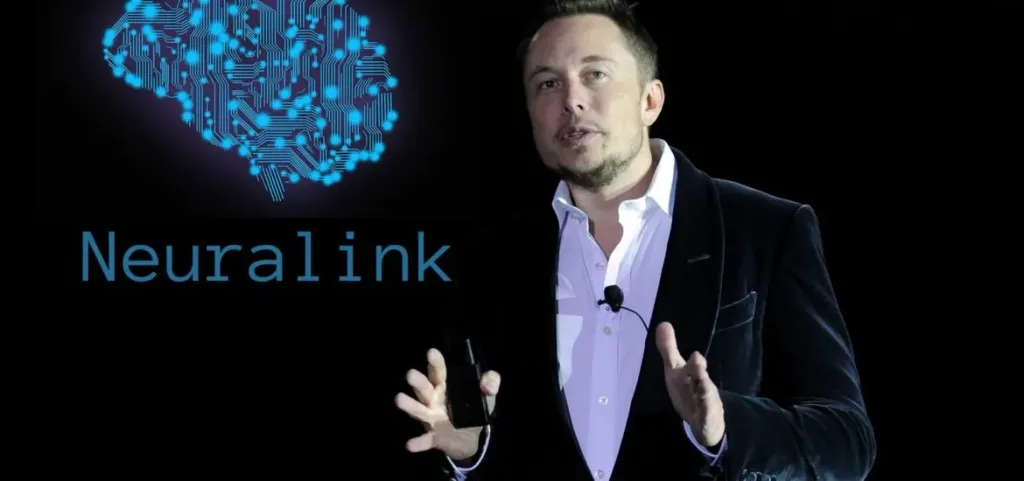
Neuralink’s first human brain implant brings medical promise and concerns about privacy and control. What makes the idea both fascinating and unsettling?

Inclusive language

Why inclusive language is a practical need rather than empty rhetoric, and how to find wording that avoids causing pain without forcing the language.

Artificial intelligence, part 2

A more balanced follow-up to the article on AI challenges: alongside the risks, the many positive uses of artificial intelligence deserve recognition.

4 challenges of remote electronic voting

Voting electronically from home promises convenience and savings, but raises serious technical and democratic issues. Four challenges we should not underestimate.

7 challenges of artificial intelligence and possible uses in public administration

The risks and benefits of AI in public administration: what it can do, where caution is needed and how it could improve public services.